Zero Sugar, Zero Concern? Why Artificial Sweeteners May Still Be Disrupting Your Blood Sugar

Photo by Photo by Sweet Life on Unsplash on Unsplash
The 'Free Pass' That May Not Be Free
For decades, artificial sweeteners have been marketed as the smart alternative for Americans trying to reduce sugar intake without sacrificing sweetness. Diet sodas, sugar-free yogurts, low-calorie protein bars, and "keto-friendly" desserts line grocery store shelves with a clear implied promise: all the flavor, none of the metabolic consequences.
But the science has grown considerably more complicated. A growing body of research now challenges the assumption that zero-calorie sweeteners are metabolically inert. For individuals managing blood sugar—or actively working to prevent type 2 diabetes—understanding how these compounds interact with the body's glucose-regulating systems is no longer optional. It is foundational.
What Happens in Your Body When You Taste Sweetness
The human body does not process taste as a passive experience. When sweetness is detected on the tongue, it initiates a cascade of physiological signals—some of which involve insulin.
This phenomenon, known as the cephalic phase insulin response, describes the body's anticipatory release of insulin triggered by the mere perception of sweetness, before any glucose actually enters the bloodstream. The brain, in essence, prepares the body for incoming sugar based on sensory cues alone. Artificial sweeteners, which activate the same sweet taste receptors as sucrose, may trigger this same preparatory response—even though no actual glucose follows.
The result for some individuals: insulin is released into circulation without a corresponding rise in blood glucose. This can produce a brief dip in blood sugar levels, which the body then interprets as a signal to seek more food—particularly carbohydrate-rich food. What began as a calorie-saving choice can, through this mechanism, paradoxically increase hunger and drive consumption of the very foods one was trying to avoid.
The Gut Microbiome Complication
Perhaps the most consequential area of emerging research involves the relationship between artificial sweeteners and the gut microbiome—the vast ecosystem of bacteria, fungi, and other microorganisms that inhabit the digestive tract and play a significant role in metabolic health.
A landmark 2022 study published in Cell found that several common non-nutritive sweeteners, including saccharin and sucralose, produced measurable changes in gut microbiome composition and function in human participants. More notably, these microbiome alterations were associated with impaired glycemic responses—meaning that participants who consumed these sweeteners showed disruptions in how their bodies regulated blood sugar after meals.
This is particularly significant because gut bacteria are deeply involved in glucose metabolism. Certain bacterial strains influence how efficiently glucose is absorbed, how sensitively cells respond to insulin, and how much short-chain fatty acids—compounds that support metabolic health—are produced during digestion. When artificial sweeteners alter the balance of this ecosystem, the downstream effects on blood sugar regulation can be real and measurable, even in the absence of any direct caloric input.
Sucralose, Aspartame, and Sugar Alcohols: Not All Created Equal
It is worth examining the most commonly consumed sweetener categories individually, as their metabolic profiles differ in meaningful ways.
Sucralose (sold commercially as Splenda) is one of the most widely used artificial sweeteners in the United States. While it passes through the body largely unabsorbed, research has raised questions about its stability at high temperatures—a concern for baking applications—and its potential to alter insulin sensitivity over time with repeated exposure. Some studies have also found that sucralose consumption, particularly alongside carbohydrates, may amplify insulin secretion beyond what the carbohydrate alone would produce.
Aspartame, found in many diet sodas and tabletop sweeteners, has a different chemical profile. It is broken down during digestion into its component amino acids and methanol. While its direct effect on blood glucose is minimal, its influence on appetite signaling and gut microbiota composition has drawn increasing scientific attention.
Sugar alcohols—including erythritol, xylitol, sorbitol, and maltitol—occupy a distinct category. Unlike artificial sweeteners, they do contain calories and carbohydrates, though typically at lower levels than sucrose. Their glycemic impact varies significantly by type. Erythritol is largely absorbed before reaching the colon and has a minimal effect on blood glucose. Maltitol, by contrast, has a glycemic index approximately half that of regular sugar—high enough to cause meaningful blood sugar elevation in sensitive individuals, despite its frequent use in products marketed as "diabetic-friendly" or "sugar-free."
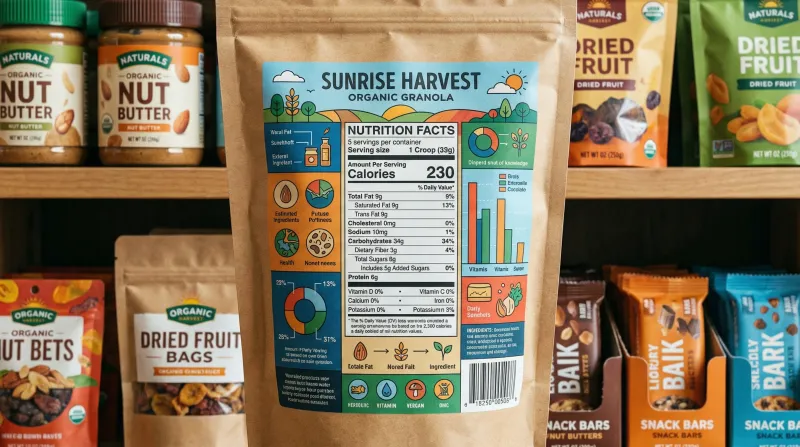
Reading labels carefully matters here. A product labeled sugar-free is not necessarily low-glycemic.
The Craving Amplification Loop
Beyond direct metabolic effects, artificial sweeteners may interfere with blood sugar stability through a behavioral pathway: the perpetuation of sweet cravings.
Sweetness is one of the most powerful flavor signals the human brain is designed to seek. Consuming highly sweet foods and beverages—even calorie-free ones—consistently reinforces the brain's reward association with intense sweetness. Over time, this can raise the threshold at which naturally sweet foods (fruit, for example) feel satisfying, while increasing the pull toward processed sweet foods.
For individuals working to stabilize blood sugar through dietary changes, this craving amplification loop represents a meaningful obstacle. Managing glucose is not only a biochemical challenge—it is a behavioral one. Strategies that inadvertently intensify sweet cravings can undermine the broader nutritional framework, even if they technically reduce caloric intake in the short term.
Evidence-Based Alternatives Worth Considering
None of this is to suggest that every person who consumes artificial sweeteners will experience blood sugar disruption. Individual responses vary considerably based on genetics, existing gut microbiome composition, overall dietary patterns, and metabolic health status. Some people appear to tolerate these compounds with minimal consequence.
However, for those who have noticed persistent blood sugar fluctuations, intensified sweet cravings, or unexpected hunger after consuming "diet" products, reducing or eliminating artificial sweeteners is a reasonable and evidence-supported step to take.
Alternative approaches to reducing sugar intake while supporting glucose stability include:
- Gradual palate recalibration: Systematically reducing the sweetness level of foods and beverages over several weeks, allowing taste preferences to adjust naturally.
- Whole fruit as sweetener: Using small amounts of blended or pureed fruit to add sweetness to oatmeal, yogurt, or smoothies. The fiber content of whole fruit slows glucose absorption and provides a more stable blood sugar response than isolated sweeteners.
- Allulose: A rare sugar that occurs naturally in small quantities in certain foods and is not metabolized in the same way as sucrose. Current evidence suggests it has minimal impact on blood glucose and insulin, and it has not shown the microbiome-disrupting effects associated with some synthetic sweeteners. It remains one of the more promising options for those requiring sweetness without glycemic consequence.
- Monk fruit extract: Derived from a Southeast Asian fruit, monk fruit sweetener has shown a favorable safety profile in available research, with no significant effect on blood glucose or insulin in most studies.
A More Informed Framework for Sweetener Decisions
The goal at GlucoVit is never to generate unnecessary alarm about any single food or ingredient. The goal is to ensure that the decisions individuals make in support of their metabolic health are grounded in accurate, current science—not outdated assumptions or marketing language.
The evidence now available suggests that artificial sweeteners deserve more scrutiny than their "zero calorie" labeling implies. For individuals who are glucose-sensitive, managing prediabetes, or simply trying to build a dietary pattern that genuinely supports long-term metabolic health, the sweetener question is worth revisiting with fresh eyes.
The most effective path forward is one that prioritizes whole, minimally processed foods, reduces overall reliance on intense sweetness in any form, and remains attentive to how specific dietary choices affect individual blood sugar patterns over time.