GlucoVit Smart Nutrition for Balanced Blood Sugar

GlucoVit

Smart Nutrition for Balanced Blood Sugar

Latest Articles

The Case of the Unexplained Spike: A Troubleshooting Guide for Continuous Glucose Monitor Users
Blood Sugar Education

The Case of the Unexplained Spike: A Troubleshooting Guide for Continuous Glucose Monitor Users

Your continuous glucose monitor shows a sharp rise, but you haven't eaten a thing. Before blaming your last meal, consider the many non-food culprits behind confusing CGM readings. This step-by-step framework helps you investigate mystery spikes like a detective.


Last Bite, First Place: Rethinking the Order of Your Dinner Plate for Steadier Glucose
Blood Sugar Education

Last Bite, First Place: Rethinking the Order of Your Dinner Plate for Steadier Glucose

Food sequencing—the practice of eating fiber, protein, and fat before starch—has moved from niche biohacking into mainstream nutrition conversations. But does the order of a single meal truly reshape your glucose curve, and is 'vegetables first' always the right rule? Here's what the research supports, where it falls short, and how to run a careful two-week test on yourself.

Sixty Minutes in the Supermarket: A Glucose-Aware Walkthrough of Every Aisle
Nutrition & Prevention

Sixty Minutes in the Supermarket: A Glucose-Aware Walkthrough of Every Aisle

Most grocery trips are decided in seconds per product — precisely the window where hidden sugars and misleading labels do their work. This aisle-by-aisle walkthrough shows how to evaluate bread, sauces, yogurt, and frozen meals with blood sugar in mind, without abandoning convenience.

Quitting Your Diabetes Medication Is Not a Reset Button: The Metabolic Consequences Most Patients Never Anticipate
Blood Sugar Education

Quitting Your Diabetes Medication Is Not a Reset Button: The Metabolic Consequences Most Patients Never Anticipate

Discontinuing blood sugar medication is rarely the clean break patients expect. Rather than simply returning to a pre-medication baseline, the body can experience pronounced glucose rebound, hormonal disruption, and a prolonged period of metabolic instability. Understanding what actually happens when you stop these drugs is essential before making any changes to your regimen.

Same Pill, Different Results: How the Clock on Your Wall Is Quietly Determining How Well Your Diabetes Medication Works
Blood Sugar Education

Same Pill, Different Results: How the Clock on Your Wall Is Quietly Determining How Well Your Diabetes Medication Works

Most patients assume their diabetes medication works the same way regardless of when it is taken. Emerging research into circadian pharmacology tells a more complicated story — one where the hour of administration can meaningfully change how well a drug performs, and how stable your blood sugar remains throughout the day.

When Water Works Against You: The Surprising Role of Hydration in Blood Sugar Regulation
Blood Sugar Education

When Water Works Against You: The Surprising Role of Hydration in Blood Sugar Regulation

Most health guidance treats water intake as an uncomplicated good — the more, the better. Yet the relationship between hydration and glucose metabolism is considerably more nuanced, with both insufficient and excessive fluid intake capable of disrupting blood sugar control in ways that are rarely discussed in mainstream nutrition advice.

Degrees of Difference: What Your Drink's Temperature Is Quietly Doing to Your Blood Sugar
Blood Sugar Education

Degrees of Difference: What Your Drink's Temperature Is Quietly Doing to Your Blood Sugar

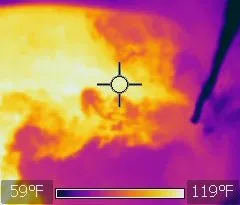
Most people carefully consider what they drink, but few consider the temperature at which they drink it. Emerging research suggests that the thermal state of a beverage—hot, cold, or room temperature—can meaningfully alter gastric emptying rates, thermoregulatory metabolism, and ultimately how glucose enters your bloodstream. Understanding this overlooked variable may offer a practical, zero-cost tool for better blood sugar management.

Black Coffee, Elevated Blood Sugar: The Hidden Metabolic Cost of Your Morning Ritual
Blood Sugar Education

Black Coffee, Elevated Blood Sugar: The Hidden Metabolic Cost of Your Morning Ritual

Most people assume a plain cup of black coffee is metabolically harmless — but emerging research suggests caffeine may actively disrupt insulin sensitivity and amplify cortisol-driven glucose spikes before the first bite of food is ever taken. Understanding the precise mechanisms behind this response can help coffee drinkers make smarter choices without abandoning their morning routine. GlucoVit examines the science behind caffeine's complex relationship with blood sugar regulation.

Clocks, Carbs, and Chemistry: How the Hour You Take Your Medication May Be Undermining Your Blood Sugar
Blood Sugar Education

Clocks, Carbs, and Chemistry: How the Hour You Take Your Medication May Be Undermining Your Blood Sugar

Most Americans swallow their prescriptions on autopilot—same pill, same glass of water, same moment every morning—without ever questioning whether the clock itself could be working against them. Emerging research on circadian biology and pharmacokinetics suggests that shifting medication timing by even a few hours can meaningfully alter how drugs interact with glucose metabolism. Understanding these critical windows may be one of the most underutilized levers in blood sugar management.

Your Prescriptions May Be Working Against Your Blood Sugar: The Drug-Nutrient Conflicts Most Doctors Never Mention
Blood Sugar Education

Your Prescriptions May Be Working Against Your Blood Sugar: The Drug-Nutrient Conflicts Most Doctors Never Mention

Millions of Americans manage chronic conditions with daily medications, but few are ever told how those same prescriptions can quietly erode glucose control and deplete the nutrients that support it. From statins to corticosteroids, the interference is real, measurable, and largely preventable with the right knowledge. Understanding how your medication schedule intersects with your metabolic health may be one of the most important steps you take toward balanced blood sugar.

When Good Sleep Backfires: The Temporary Glucose Disruption That Follows Improved Rest
Blood Sugar Education

When Good Sleep Backfires: The Temporary Glucose Disruption That Follows Improved Rest

Most Americans understand that chronic sleep deprivation raises blood sugar — but fewer recognize that the transition toward better sleep can temporarily unsettle glucose control. As the body recalibrates its hormonal rhythms, some individuals experience unexpected spikes before stability is restored. Understanding this adjustment window is essential for anyone pursuing both improved rest and balanced blood sugar.

Zero Sugar, Zero Concern? Why Artificial Sweeteners May Still Be Disrupting Your Blood Sugar
Blood Sugar Education

Zero Sugar, Zero Concern? Why Artificial Sweeteners May Still Be Disrupting Your Blood Sugar

Choosing a diet soda or sugar-free snack feels like a responsible move for blood sugar management—but emerging research suggests these swaps may not be as metabolically neutral as once believed. From unexpected insulin responses to measurable shifts in gut bacteria, zero-calorie sweeteners carry a more complex biological profile than their labels imply. Understanding the science behind these compounds is essential for anyone serious about glucose stability.

How Much Morning Protein Is Too Much? The Overlooked Ceiling That Affects Your Blood Sugar All Day
Nutrition & Prevention

How Much Morning Protein Is Too Much? The Overlooked Ceiling That Affects Your Blood Sugar All Day

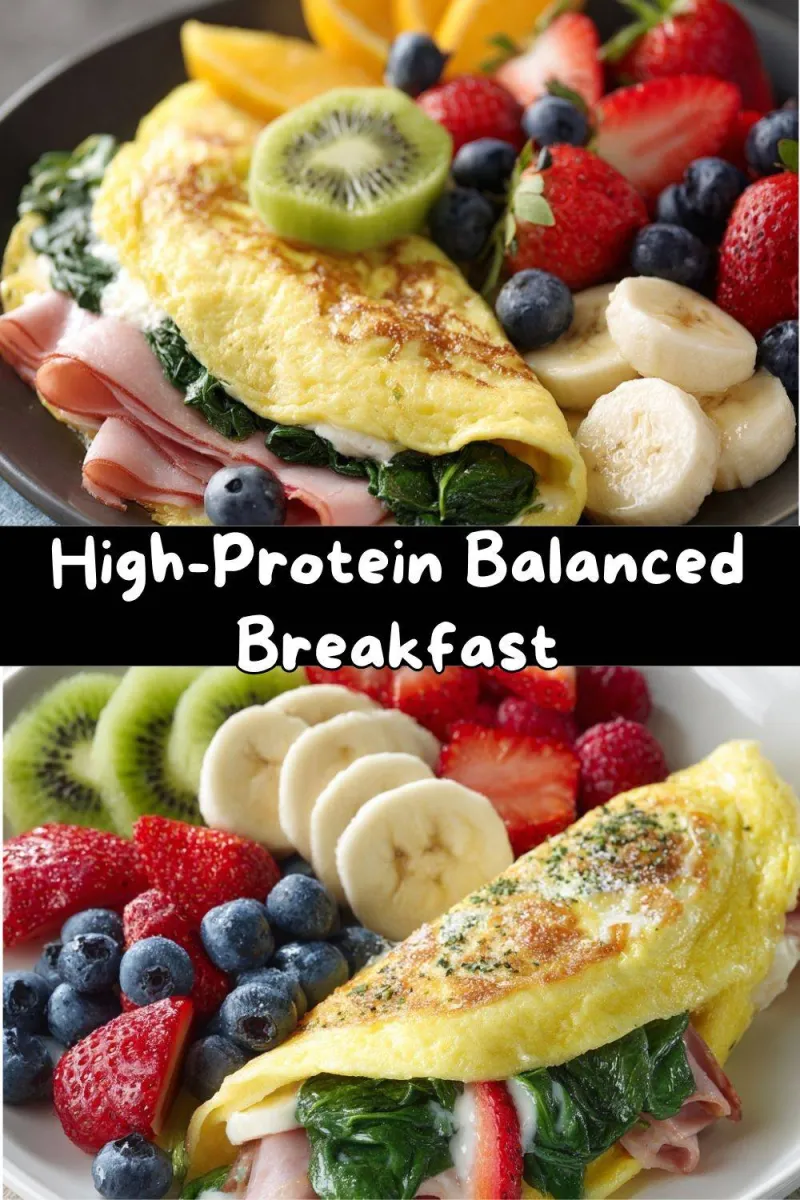
Protein at breakfast has earned a well-deserved reputation for steadying blood sugar, but research suggests there is a threshold beyond which more protein stops helping and begins to interfere. Understanding where that ceiling falls—and how to find yours—may be one of the most practical steps you can take toward lasting glucose stability.

When You Move Matters as Much as How You Move: The Glucose Consequences of Poorly Timed Exercise
Blood Sugar Education

When You Move Matters as Much as How You Move: The Glucose Consequences of Poorly Timed Exercise

Most Americans focus on what kind of exercise they do and for how long — but the timing of movement relative to meals may be equally critical to glycemic outcomes. New research reveals that working out at the wrong point in your eating schedule can blunt insulin sensitivity, elevate post-meal glucose spikes, and undermine the very metabolic benefits you are working hard to earn. Understanding the science of meal-to-movement sequencing could fundamentally change how you structure your day.

The Net Carb Illusion: How Low-Carb Labels Are Misleading Your Metabolism
Blood Sugar Education

The Net Carb Illusion: How Low-Carb Labels Are Misleading Your Metabolism

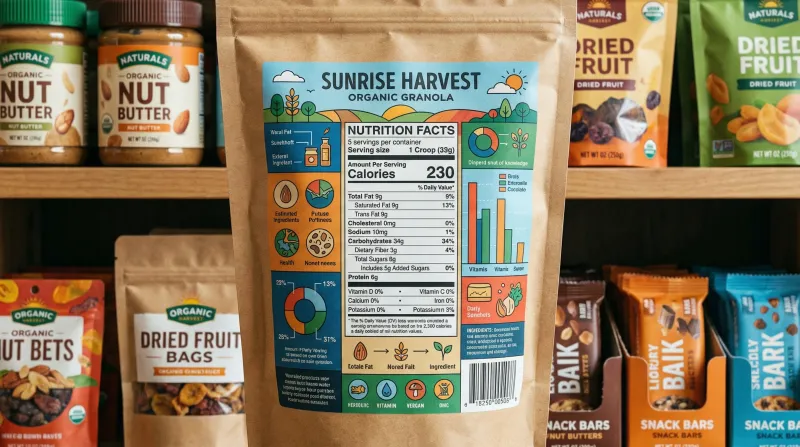
The 'net carb' figure printed on your favorite low-carb snack bar may feel like a green light for glucose management — but the math behind that number is far more complicated than manufacturers want you to believe. From sugar alcohols to resistant starches, the ingredients subtracted from total carbohydrates don't all behave the same way inside the human body. Understanding what's really behind that label could be the difference between stable blood sugar and an unexplained spike.

Too Many Helpers, Too Little Help: The Hidden Conflicts Inside Your Blood Sugar Supplement Stack
Blood Sugar Education

Too Many Helpers, Too Little Help: The Hidden Conflicts Inside Your Blood Sugar Supplement Stack

Taking multiple glucose-support supplements at once feels like a proactive health strategy — but the biochemistry tells a more complicated story. From berberine to chromium to alpha-lipoic acid, popular blood sugar supplements can compete for the same metabolic pathways, blunt each other's effects, or interact unpredictably with prescription medications. Understanding how these compounds actually behave inside the body is essential before adding another bottle to your cabinet.

When Protein Works Against You: The Hidden Blood Sugar Cost of Eating Too Much of a Good Thing
Nutrition & Prevention

When Protein Works Against You: The Hidden Blood Sugar Cost of Eating Too Much of a Good Thing

Protein has earned a well-deserved reputation as a blood sugar stabilizer, but consuming too much—or the wrong kinds at the wrong times—can quietly trigger glucose production through pathways most people never consider. Understanding where the line falls between beneficial and counterproductive protein intake may be one of the most underappreciated strategies in glucose management.

One Bad Day, Days of Consequences: The Metabolic Ripple Effect of a High-Glycemic Binge
Blood Sugar Education

One Bad Day, Days of Consequences: The Metabolic Ripple Effect of a High-Glycemic Binge

A single day of unrestricted, high-sugar eating may feel harmless in isolation, but emerging research suggests the metabolic consequences extend well beyond the next morning. From impaired insulin sensitivity to disrupted glucose regulation, the science of what happens after a dietary binge is far more sobering than most people realize. Understanding this ripple effect is the first step toward making more informed choices about consistency in your nutritional routine.

The Bacteria Running Your Blood Sugar: What Your Gut Microbiome Is Really Doing After Every Meal
Nutrition & Prevention

The Bacteria Running Your Blood Sugar: What Your Gut Microbiome Is Really Doing After Every Meal

The trillions of microorganisms living in your digestive tract do far more than assist with digestion — they play an active and measurable role in how your body processes glucose after every meal. New research is revealing that the composition of your gut microbiome may be one of the most significant, and least discussed, factors in your personal blood sugar response. Here is what the science actually shows, and how you can begin shifting your internal ecosystem in your favor.

Not All Fiber Is Created Equal: The Science Behind Which Types Actually Stabilize Blood Sugar
Nutrition & Prevention

Not All Fiber Is Created Equal: The Science Behind Which Types Actually Stabilize Blood Sugar

The instruction to 'eat more fiber' has become one of the most repeated pieces of dietary advice in American public health—yet it glosses over a complexity that can make the difference between stable glucose and an unexpected spike. Fiber type, food structure, and particle size all influence how quickly carbohydrates reach the bloodstream, and understanding these distinctions empowers far more precise nutritional decision-making. This article breaks down the science and offers a practical framew