The Case of the Unexplained Spike: A Troubleshooting Guide for Continuous Glucose Monitor Users
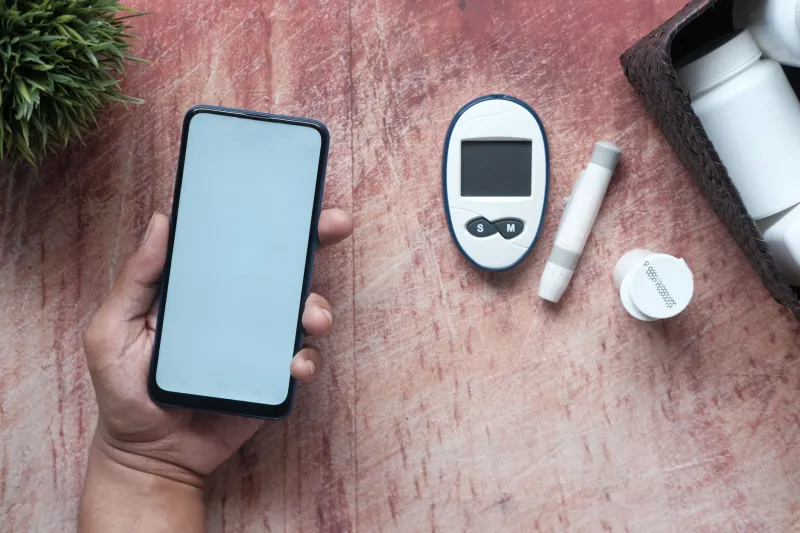
For millions of Americans now wearing continuous glucose monitors (CGMs), the device can feel like a report card delivered in real time. You eat well, you take your walk, and yet the graph on your phone climbs anyway. A spike with no obvious cause can be frustrating — but it is rarely random. In most cases, your body is responding to something identifiable. The key is learning to investigate systematically rather than reacting to every upward line.
Why Your CGM Shows More Than Food
A CGM measures interstitial glucose — the sugar in the fluid between your cells — updated every few minutes. Because it captures glucose around the clock, it records influences that a single fingerstick before breakfast never would. Stress hormones, inflammatory responses, sleep debt, and even dehydration can all leave their fingerprints on your curve.
That is precisely what makes the device so valuable. When you understand what to look for, an unexplained spike becomes a clue rather than a failure.
Common Non-Food Causes of Mystery Spikes
Before assuming your last meal is to blame, consider these frequent offenders:
- The dawn phenomenon. Many people experience a natural glucose rise between roughly 3 a.m. and 8 a.m., driven by cortisol and growth hormone as the body prepares to wake. On a CGM, this can look like a spike you never earned.
- Poor sleep. Even one night of shortened or fragmented sleep can reduce insulin sensitivity the following day, producing higher readings after identical meals.
- Acute stress. A tense commute on I-95, a difficult phone call, or a work deadline triggers cortisol and adrenaline, prompting the liver to release stored glucose — no carbohydrates required.
- Illness and infection. Even a mild cold can elevate blood sugar as part of the immune response.
- Certain medications. Corticosteroids such as prednisone are well known to raise glucose, and some other prescriptions can contribute as well.
- Intense or unusual exercise. Anaerobic activity like heavy lifting or sprint intervals can temporarily raise glucose through adrenaline, even though it improves insulin sensitivity over time.
- Dehydration. When fluid intake falls short, glucose becomes more concentrated in the bloodstream.
A Step-by-Step Framework for Investigating a Spike
When your monitor shows a rise you cannot explain, work through the following sequence before drawing conclusions.
Step 1: Establish the Timeline
Scroll back through the graph. When exactly did the rise begin? Note the time and what was happening in the preceding one to two hours. A spike beginning at 6:30 a.m. tells a very different story than one beginning at 9 p.m.
Step 2: Rule Out the Obvious
Review your food log, including beverages, sauces, and snacks that are easy to forget. Check whether your sensor may have been compressed — lying on the CGM overnight can cause falsely low readings, followed by an artificial-looking rebound.
Step 3: Match the Pattern to a Cause
Different culprits leave different shapes on the graph:
- A gradual early-morning rise without eating suggests the dawn phenomenon.
- A sharp climb during a stressful period points to a hormonal response.
- A moderate elevation lasting most of the day after a bad night's sleep suggests reduced insulin sensitivity.
- A steep spike with rapid fall shortly after eating points to a specific food or drink.
Step 4: Test Your Hypothesis
If you suspect stress, note your glucose before and after a known stressful event for a few days. If you suspect sleep, compare your curves after a full night versus a short one. CGMs make this kind of natural experiment straightforward — and the results are personal in a way no guideline can replicate.
Step 5: Look for Patterns, Not Single Events
One unexplained spike is data; three spikes following the same pattern is a finding. Focus on repeatable trends before changing your routine, and bring recurring patterns to your healthcare provider rather than isolated readings.
When to Seek Professional Guidance
Self-investigation has limits. Contact your healthcare team if you notice persistent unexplained highs, readings that remain elevated despite consistent habits, symptoms of illness alongside rising glucose, or values outside the range your provider has discussed with you. A CGM is an educational tool, not a substitute for clinical judgment.
Turning Confusion Into Insight
The most effective CGM users are not the ones with the flattest lines — they are the ones who treat every unexpected reading as a question worth answering. Over time, you will build a personal map of how your body responds to sleep, stress, meals, and movement. That map, assembled one mystery spike at a time, is what transforms raw glucose data into genuinely smarter daily decisions.